



The chattel house is one of the most recognisable symbols of Barbados — a small wooden home with bright Caribbean colours, steep gable roofs, and verandahs that welcome the breeze. But beyond their charm, chattel houses carry a powerful and uniquely Barbadian story.
These homes emerged after emancipation, when formerly enslaved people were free but still had little access to land. Plantation owners controlled most of the island, so workers often lived on land they did not own. Their homes needed to be theirs — but also needed to move with them if the landowner changed, the work shifted, or the family sought a new start.
The solution was ingenious: build a home that could walk.
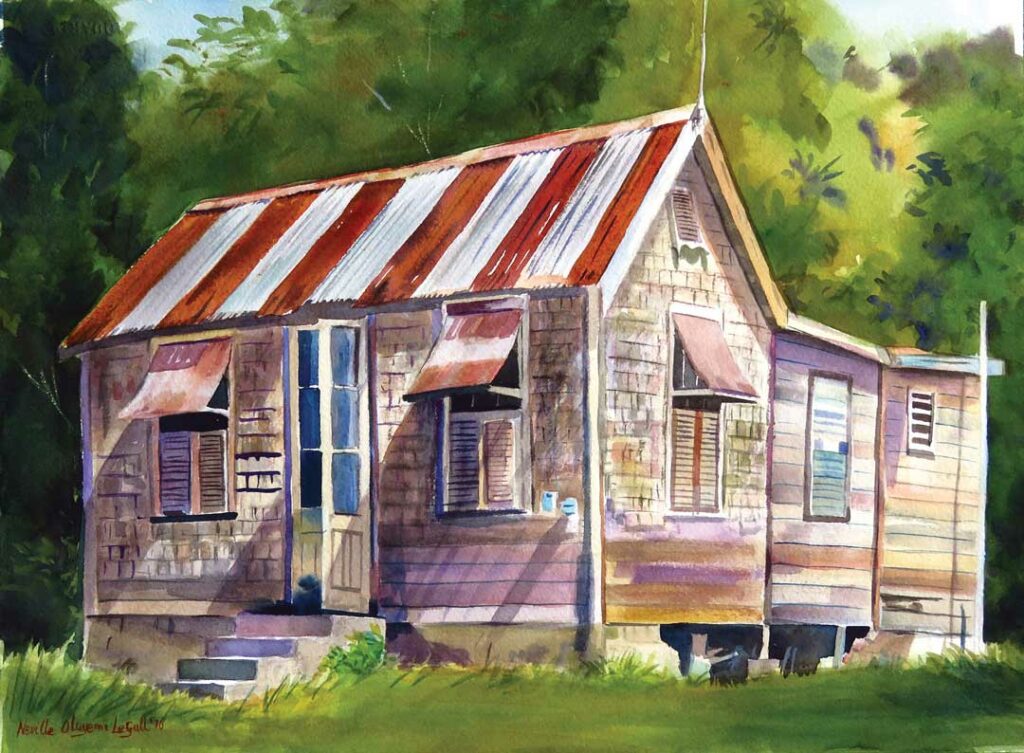
Set on coral stone blocks instead of a fixed foundation, the chattel house could be lifted, shifted, and rolled to a new location. Neighbours would gather to help, turning every move into a moment of community and celebration. It was a house you could take with you — a home that belonged to the people, not the plantation.
Today, these wooden houses stand as icons of freedom, resilience, and identity. Their portability represents the determination of Bajans to create independent lives under difficult circumstances. Their style shaped the island’s architectural character, influencing modern homes with verandahs, shutters, and raised foundations.
Walking through Barbados, you’ll still see chattel houses in villages, along quiet country roads, and even restored in heritage districts. They are reminders that the spirit of Barbados is deeply tied to self-reliance, community, and a quiet but powerful creativity.
More >>
To dive deeper into the cultural meaning of the chattel house — and its lasting influence on Barbadian identity — read the full feature on https://RoguesInParadise.com/chattelhouseid.
It explores the history, the people, and the stories behind this remarkable symbol of the Bajan spirit.
Find your ideal Barbados accommodation...
