



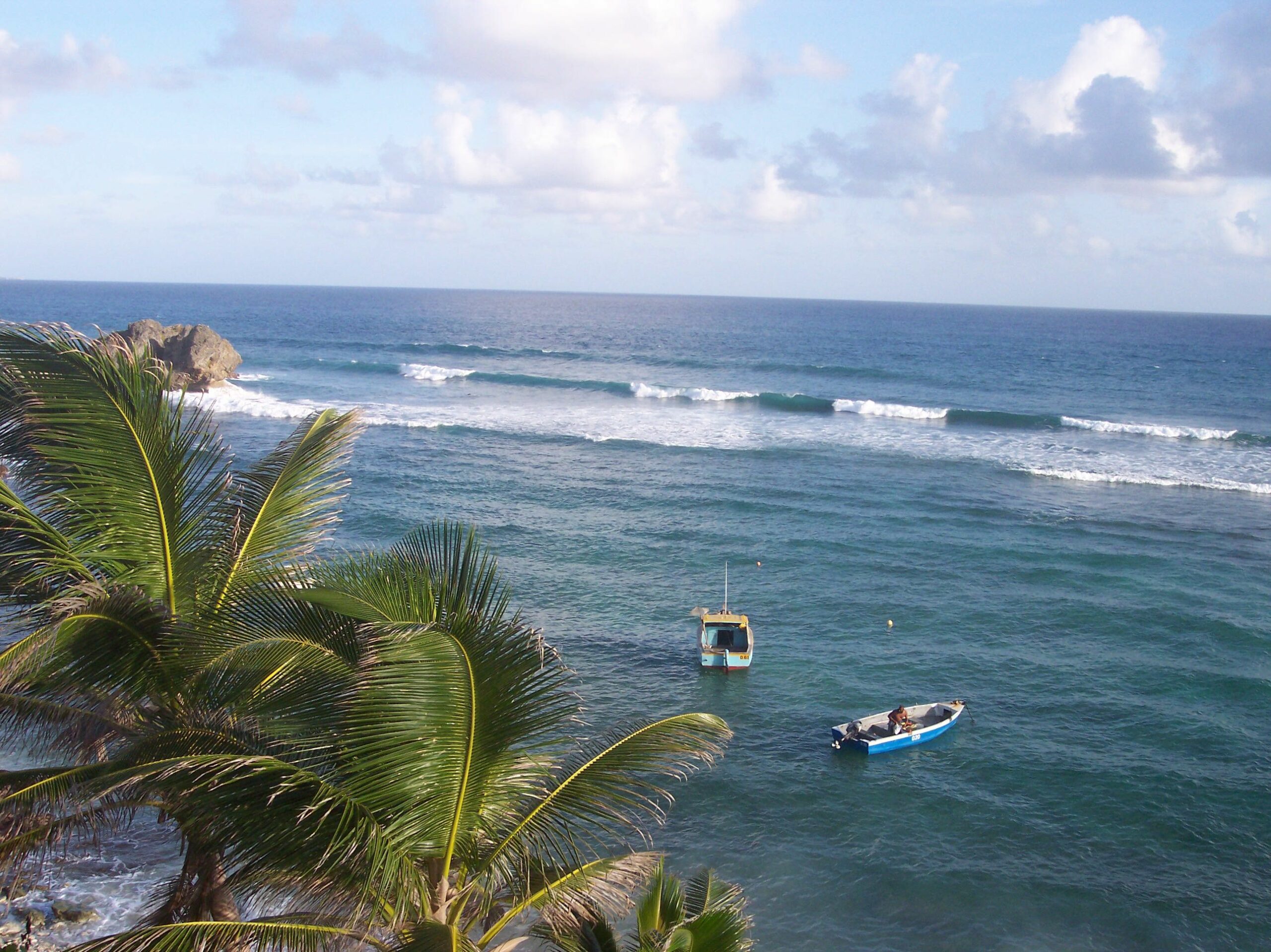
Barbados is often described as a paradise — a place of beauty, warmth, friendliness, and deep cultural pride. But like many places in the Caribbean, the island’s character has also been shaped by a much older and more difficult history. Understanding history helps us appreciate Barbados not only as a destination but also as a society built on resilience, humour, community, and an extraordinary will to survive, adapt, excel, and shape a character that has endured across generations.
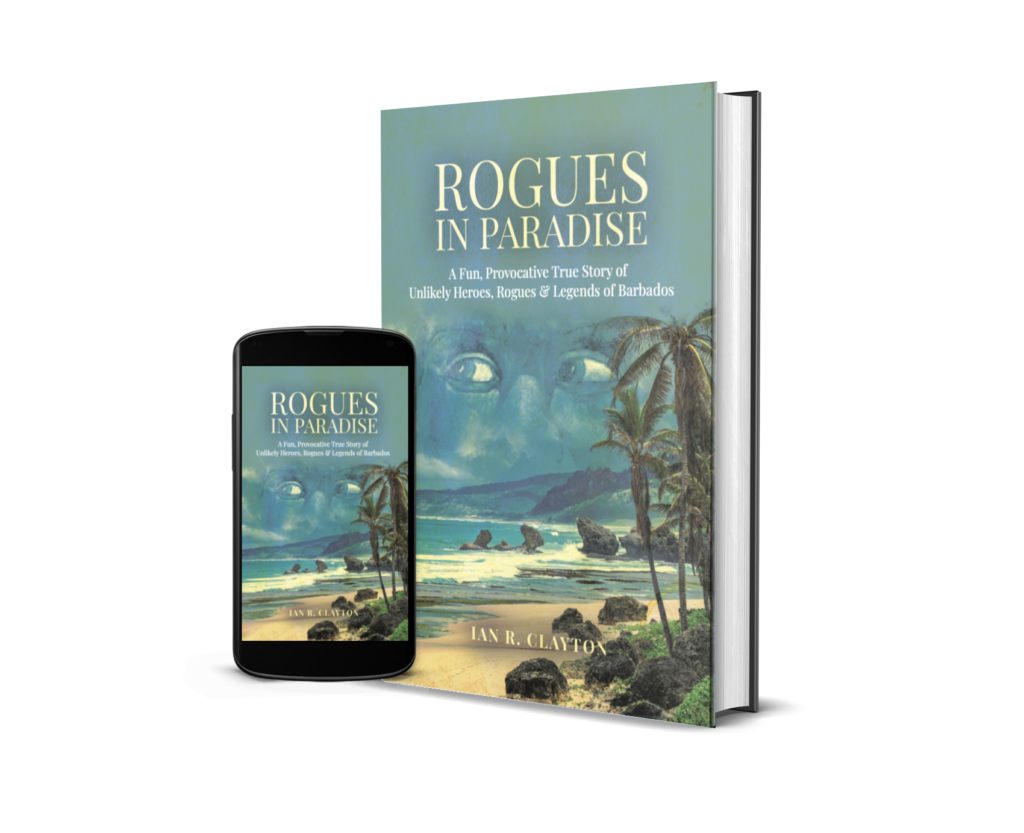
The reflections shared here come from Rogues in Paradise — a book about the people of Barbados and the human stories behind the island’s culture. The project later evolved into RoguesCulture, a wider exploration of identity, belonging, race, and history, inspired by lessons first encountered in Barbados.
This article is part of that journey. It looks at Barbados as more than a holiday landscape — as a place that helped shape the modern world, and as a living reminder of how history, identity, and human dignity remain connected today.
Barbados matters in this conversation. Historian Sir Hilary Beckles, Professor of the University of the West Indies, argues that Barbados became the world’s first “slave society” — a place where slavery was not simply a labour system, but the foundation of its social, economic, political, and cultural structure (i).
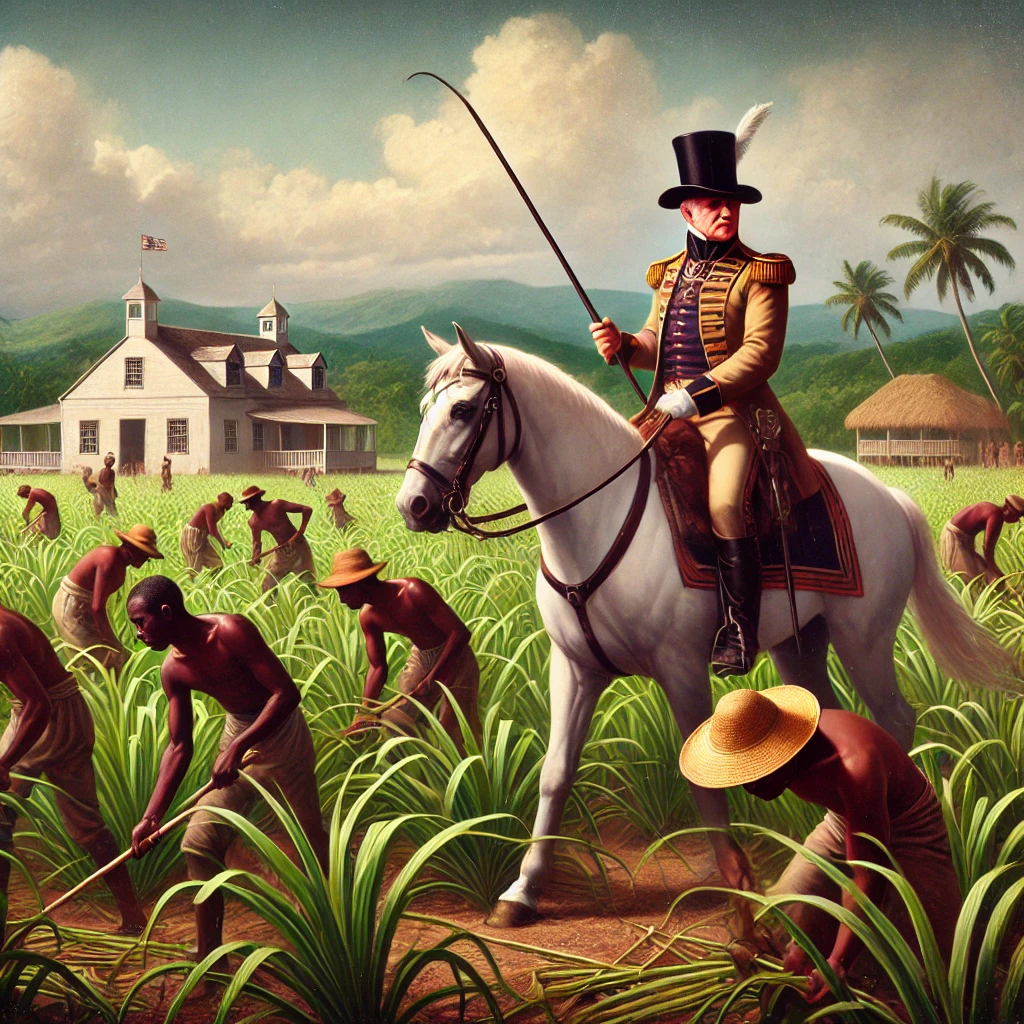
In this setting, race, power, identity, and survival were not abstract ideas, but daily realities. It was a society built on hierarchy, enforced difference, and the invention of racial categories that justified exploitation.What was created here — systems of control, racial belief, social structure, and inherited inequality — did not disappear when slavery ended. It echoed outward through law, economics, religion, culture, and everyday ways of seeing other human beings. The island became a template that spread across the Atlantic world.
Barbados is therefore not only a historical setting. It is a living classroom — a place where we can see how identity is shaped by history, and how stereotypes, dignity, bias, humour, resilience, and survival coexist within the same human story.
Barbados reminds us that racism is not only an individual act of hostility. It is also something learned, repeated, internalised, and normalised across generations — even by people who consider themselves fair and well-meaning. Understanding this history does not erase accountability; it deepens awareness of where responsibility lives now.
The island also teaches something else: that within oppression and fracture, people still created meaning, humour, culture, faith, community, rebellion, and identity. These human qualities are not sentimental — they are forms of survival and defiance. They reveal the complexity of lived experience, far beyond stereotype.
Barbados in a Global Narrative of Culture and Identity
This work forms part of the Rogues in Paradise and RoguesCulture conversation, which began in Barbados and has expanded into a wider examination of culture, race, belonging, and the long afterlives of history.
Its aim is not to assign guilt to the past, but to trace how social and racial hierarchies were constructed, how they shaped identity and imagination, and how echoes of those structures can still influence behaviour and opportunity today. These reflections are not confined to the Caribbean. They speak to Africa and its diaspora, and to societies across Canada, Britain, Europe, and America — wherever histories of empire, enforced difference, and displacement continue to inform modern life.
Barbados stands as a case study — a place that helps us understand how identity is made, how it endures, and how deeper awareness can open the way to more conscious, humane forms of relationship. More see – Becoming-a-republic.
About the Author — Ian R. Clayton
Ian R. Clayton is a Trinidad-born author and cultural observer who has lived and worked across Canada and Barbados for several decades. He holds Canadian, British, and Trinidadian citizenship and maintains maintains long-term ties to Barbados. His professional and creative life sits at the intersections of tourism, cultural storytelling, and social inquiry.
Founder of the Barbados Tourism Encyclopedia and creator of RoguesCulture, Ian’s work explores how identity, race, memory, and belonging are shaped by history—and how ordinary people negotiate dignity, resilience, humour, and hope within systems of inequality and inherited perceptions.
His debut creative nonfiction book, RoguesinParadise, examines Barbadian culture and identity through lived experience and narrative portraiture, situating local stories within wider conversations about colonial legacies, race relations, and the human condition. Through his podcasts and multimedia series — including RoguesCulture Manifesto and Black Swans & RoguesCulture — Ian expands these themes globally, using reflection and compassion as tools for cultural understanding in a noisy world.
Goal
Clayton’s writing is guided by a humanitarian ethic — a belief that deeper awareness can foster empathy, that understanding does not weaken accountability, and that storytelling can help readers recognise their own and others’ dignity. Through this work, he hopes to contribute — in a small but meaningful way — to conversations about justice, compassion, and moral responsibility in a world that remains deeply divided, yet still capable of hope.
His debut creative nonfiction book, Rogues in Paradise, blends memoir, biography, and cultural history to celebrate the extraordinary in ordinary lives — and the humour and resilience that continue to shape Caribbean identity. Learn More about The Book>>>
Video
video based on the book Rogues in Paradise– Pre-screening now: download sample chapters
Notes
- Sir Hilary Beckles, Professor of the University of the West Indies, argues that Barbados became the world’s first “slave society,” meaning that slavery functioned as the central organising system of the society.
Barbados links
Find your ideal Barbados accommodation...
