



Barbados & the United Kingdom: A Shared History and Enduring Connection
Although the name Barbados was bestowed by Portuguese explorers around 1536, it was the English who laid claim to the island in 1625 and established the first European settlement two years later.
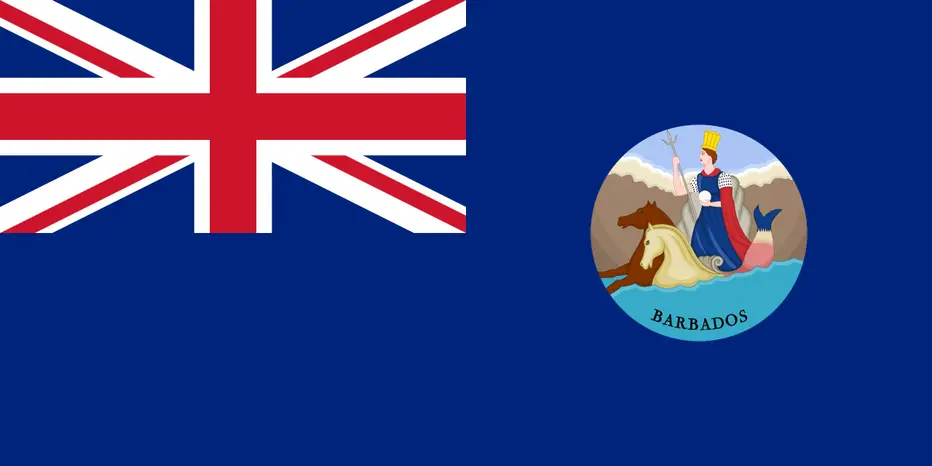
Barbados would remain under British rule for more than 300 years, an unusually uninterrupted colonial history compared to many of our Caribbean neighbours, who shifted between European powers over the centuries.
The British influence is still woven into everyday life - our language, educational systems, religious traditions, distinctive place-names, and governance.
Placenames with British Roots 🪧
The British tended to carry their place-names with them across the world - from Newcastle in Australia to London in Canada and New York in the USA. Maybe it eased homesickness; reinforced a sense of connection to the Mother Country; or projected colonial dominance.
Barbados was no exception. In fact, it's estimated that more than 150 Barbadian locations trace their names back to towns, counties, and landmarks in England.
If you're from the UK you'll likely spot several familiar names as you explore the island, such as
Cambridge
Oxford
Brighton
Dover
Chelsea
Balmoral Gap
Buckingham Hill
Kent
Vauxhall
Yorkshire
Sheffield
Greenwich
Hastings
Plymouth Square
Sussex
Windsor
Lancaster
These echoes of Britain fit into modern island life in a way that feels both familiar and uniquely Caribbean.
Royal-Inspired Placenames 👑
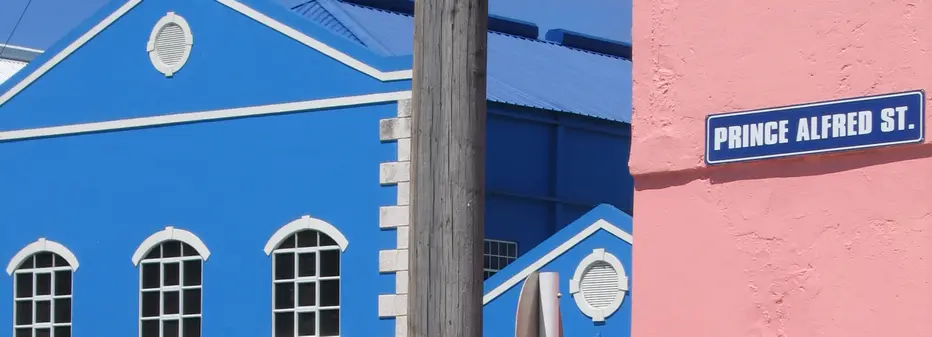
Throughout our capital city - Bridgetown - echoes of Britain's royal past appear. You'll spot tributes to monarchs and princes woven into the city's layout - Prince William Henry Street, Victoria Street (named for Queen Victoria), Prince Alfred Street, James Street (after King James), and Princess Alice Highway.
Beyond the capital, the royal references continue with Queen Mary Road, King George Road, and Prince of Wales Road.
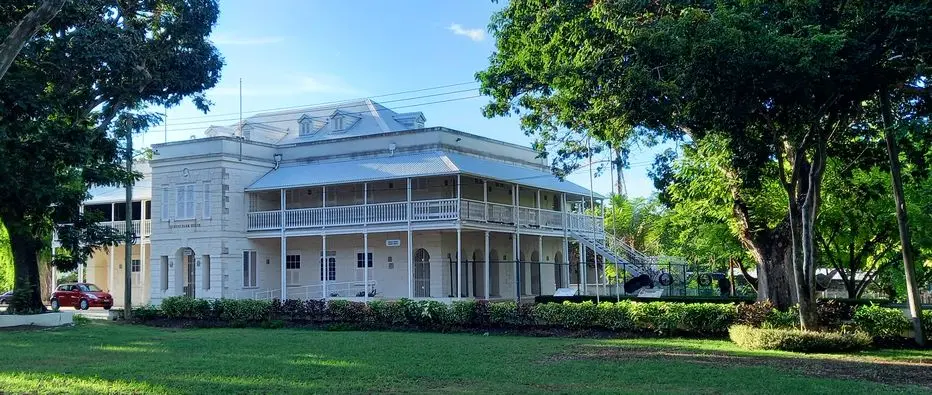
In Bridgetown, you'll also find Queen's Park, dating back to the 1780's when it was established as the official residence of the Commander of the British troops in the West Indies. The main building was known as "King's House" until being changed to "Queen's House" when Queen Victoria ascended to the throne.
Social Influences 🏏
The official language of Barbados is English, richly accented and often interwoven with Bajan dialect. Unlike the Americans, Barbadians favour British English spellings: favourite over favorite, centre over center, and so on. For UK visitors, this often feels pleasantly familiar.
Barbados' education system also mirrors the British model, from primary school through to university. Schoolchildren across the island are smartly dressed in uniforms whose colours vary by institution - shades of blue, turquoise, purple, green, and more - adding a vibrant splash of tradition to the daily commute.
The island's governance is rooted in the Westminster parliamentary system, a legacy of British rule. The structure of government - parliament, cabinet, and constituency representation - remains closely aligned with the British model.
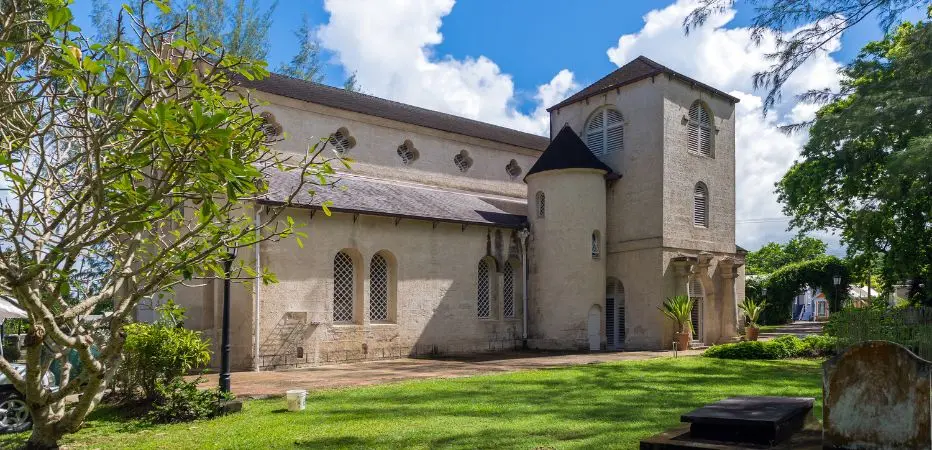
Religion, too, carries echoes of the colonial era. The Anglican Church was established throughout the island, with each of the 11 parishes home to at least one Anglican church. While other denominations such as Methodists, Moravians, and Catholics were present in colonial Barbados, the Anglican Church was the dominant religious institution.
The English also brought the beloved game of cricket to Barbados and the wider Caribbean. They may have later wondered if that was wise... especially once West Indian batsmen began smashing their bowlers to, and well over, the boundary, and our fast bowlers were sending stumps flying and batsmen ducking! What began as a colonial pastime became a source of immense regional pride, producing some of the greatest cricketers the world has ever seen.
And please remember that we drive on the left in Barbados!
Flying High.. and Fast! 🛫
A strikingly modern symbol of Barbados-UK ties is the Concorde aircraft. Concorde served only four regular destinations - London, Paris, New York, and Barbados - a remarkable distinction for a small Caribbean island. Barbados was a favourite leisure route for British Airways and a beloved part of many UK travellers' memories.
In recognition of this long relationship, British Airways loaned one of the only 20 Concorde aircraft ever built to Barbados. Today, it's preserved at the Barbados Concorde Experience next to the local airport.
Turning Tides 🌊
Over time, Barbados' British foundations have blended with rich African heritage - the vast majority of Barbadians are of African descent - as well as influences from North America, East India, and South America. This has created the uniquely Barbadian identity that visitors experience today.
After gaining Independence in 1966, Barbados continues to evolve, steadily defining our own path. Today, as a modern republic, the island reflects local priorities, democratic values, and a strong sense of national identity, while still carrying echoes of its long British past.
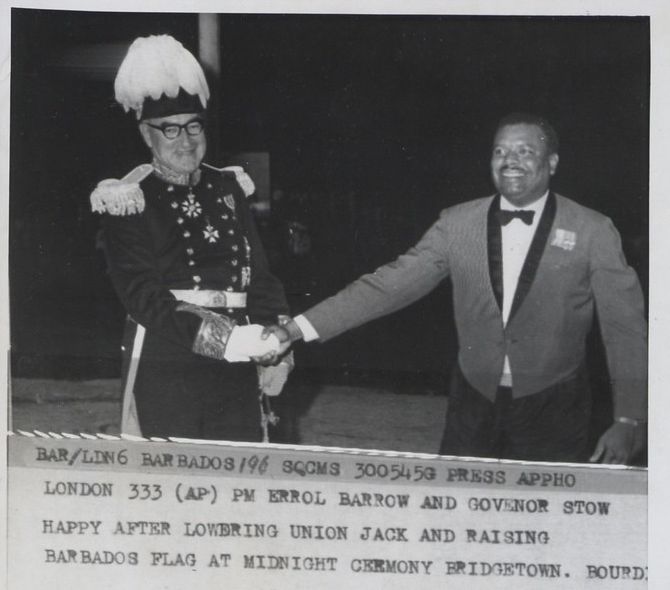
This evolution is visible across society. Football and basketball now rival cricket in popularity. Faith communities are more diverse. Schools are gradually shifting away from traditional British educational methods. And African-based values, traditions, and cultural expressions are increasingly acknowledged, celebrated, and woven into national life.
Yet despite these changes, the historical ties to the UK remain meaningful. More importantly, the shared human values - respect for others, fairness, equal representation, and a belief in democratic participation - continue to connect the two nations in ways that are familiar and enduring.
Discover Our Island History
Deleve deeper into Barbados' colonial past on a fascinating heritage tour...
