



 St. Lawrence Bay just opposite Yellow Bird Hotel is shallow and protected by a reef with sea turtles and schools of tropical fish.
 The large, protected lagoon at Coconut Court Beach Hotel is perfect for swimming and snorkelling.
 Just steps from your room at Beach View Hotel, the shallow reefs of Paynes Bay are beckoning with corals, fish, and rays.
 Radisson Aquatica Resort sits directly on Carlisle Bay giving you easy access to shipwrecks and turtles.

Coral Reefs of Barbados: A Living World Beneath the Blue
Barbados' coral reefs are vibrant underwater worlds filled with colour, movement, and life. Whether you're swimming, snorkeling, scuba diving, or kayaking our reefs offer a front-row seat to the island's natural beauty while reminding us to explore with care.
💙 A Bright, Busy Underwater Community
Slip beneath the surface and you'll meet a cast of characters that make the reefs feel alive.
Parrotfish
Reef caretakers with a crunch!
Nibbling on algae and keeping the reef clean and free of excessive seaweed.
Sea turtles and rays
Gentle gliders & bottom browsers
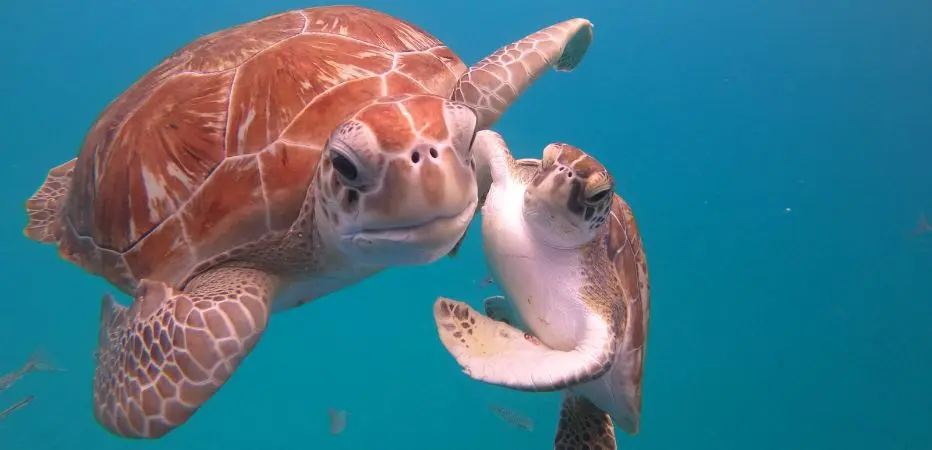
Turtles gliding gracefully over corals, while rays flap over sandy patches.
Tiny juvenile fish
The hide-and-seek squad
Darting in and out of coral to avoid predators!
The branching corals act as natural nurseries for many reef fish.
Moray eels
Peek-a-boo
Watching and waiting in rocky crevices. They are mostly shy, and harmless to curious divers.
Angelfish
Jewels of the reef
flashing bright colours in the sunlight.
Seahorses
Masters of camouflage
Wrapping their tails around seagrass to blend in perfectly.
🛡️ Nature's First Line of Defence
Coral reefs don't just look beautiful, they protect Barbados' coastline by acting as natural breakwaters, softening the force of incoming waves and reducing beach erosion.
Without them, many of the calm swimming spots and gentle bays that locals and visitors love would look very different.
These reefs are also nurseries for young marine life, providing safe spaces where small creatures can grow before venturing into deeper waters.
⚓ Artificial Reefs: New Life from Old Structures
Barbados has taken creative steps to support marine life by building artificial reefs. These sites attract corals, sponges, and schools of fish, offering spectacular dive experiences while easing pressure on natural reefs. You'll find:
Reef balls: dome-shaped structures that mimic natural coral formations
Sunken ships: including the famous Stavronikita, now a thriving underwater habitat
🌊 Why Coral Reefs Need Our Care
Coral is alive, delicate, slow-growing, and easily damaged. A single touch can harm a colony that took decades to form. Sunscreens with harsh chemicals, standing on coral, or stirring up sediment can all affect the reef's health.
But the good news is: responsible visitors make a huge difference.
🤿 Enjoying the Reefs Responsibly
A few easy habits help keep the reefs thriving:
↷ Use reef-safe sunscreen
↷ Float, don't stand: keep fins and feet off the coral
↷ Give turtles space: admire, don't chase
↷ Leave only bubbles: no touching, collecting, or feeding
These small choices help ensure the reefs stay vibrant for future visitors and for the islanders who depend on them.
🐟 Underwater Explorations
Experience the wonder of Barbados' coral reefs...
🗺️ Map of Barbados Reefs and Wrecks
Our coastline is dotted with living reefs and fascinating shipwrecks, each offering its own mix of colour, marine life, and underwater adventure. This map shows the island's top snorkeling and diving spots, from shallow reefs perfect for beginners to deeper wrecks now transformed into thriving artificial reefs.
❓ Frequently Asked Questions About Barbados' Coral Reefs
What makes Barbados' coral reefs special?
Barbados' reefs are vibrant underwater ecosystems filled with colourful fish, sea turtles, corals, and sponges. They're easy to access from many beaches, making them perfect for casual snorkelers and experienced divers alike.
Where can visitors see coral reefs in Barbados?
You'll find healthy reef systems along the island's west and south coasts, with popular spots near Carlisle Bay, Folkestone Marine Park, and Paynes Bay. Many are just a short swim from shore.
Is snorkeling safe for beginners?
Absolutely. Barbados has calm, shallow reef areas ideal for first-timers. Choose a reef close to shore, wear a flotation vest if needed, and stay relaxed as you explore.
What marine life can I expect to see?
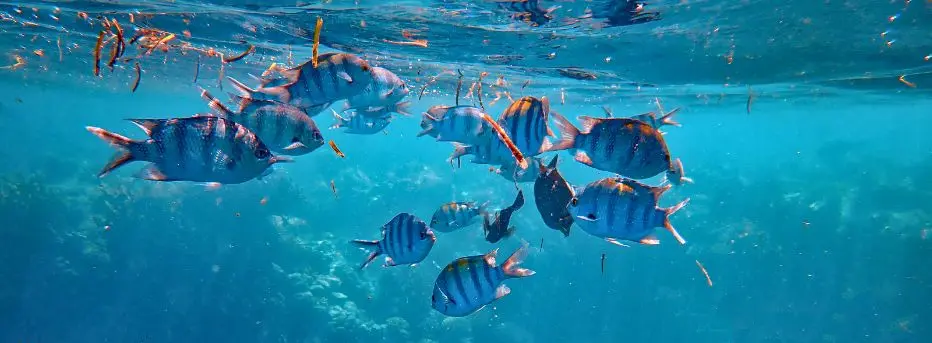
Expect parrotfish, angelfish, sergeant majors, sea turtles, rays, and tiny juvenile fish hiding in coral branches. Every reef has its own personality.
How can I enjoy the reefs responsibly?
Float rather than stand, avoid touching coral, give turtles space, and choose reef-safe sunscreen. Small actions help protect these fragile ecosystems.
Why are coral reefs important to Barbados?
Reefs act as natural barriers, reducing coastal erosion and protecting beaches. They also support fisheries, tourism, and overall marine biodiversity.
Do I need a tour to explore the reefs?
Not always. Many reefs are accessible from shore, but guided tours offer added safety, local knowledge, and access to deeper or lesser-known sites. Find a snorkel guide
What's the best time of year for snorkeling or diving?
Barbados offers great conditions year-round, with the calmest waters typically from December to May. Morning outings often have the clearest visibility.
Can children enjoy the reefs too?
Yes, calm waters and shallow reef gardens make Barbados perfect for family snorkeling. Just ensure little ones wear flotation gear and stay close to an adult.
🏝️ Sleep by the Sea, Snorkel at Your Doorstep
These beachfront stays put you mere steps from calm waters, colourful fish, and fascinating corals, perfect for morning swims, lazy afternoon snorkels, or sunset dips.
Was this helpful?
